


Something has shifted for B2B marketers looking to differentiate their lead generation and engagement efforts. The tools, calculators, dashboards, and micro-experiences that once required enterprise budgets and months of development time can now be built quickly and affordably. The barrier between “we should offer something valuable for free” and actually doing it has essentially disappeared.
That changes the freemium calculus entirely.
For years, “free” in B2B marketing meant gated content, usually a downloadable PDF. It was fairly low effort. And, for years, it worked. Today’s strongest brands are doing something more interesting: building focused, high-value experiences that prove what they do before asking anyone to buy. Not giveaways. Proof.
As AI and automation become more accessible, these enhanced user experiences can be designed, built, and scaled without the time, cost, or complexity that once stood in the way. The marketing funnel is no longer a straight line. A modern funnel strategy creates a continuous loop of free value, insight, trust, conversion, and advocacy. This evolution mirrors the broader shift toward building tailored systems instead of relying on generic software.
🧐 We wrote about the thinking here: The New SaaS: Why We Stopped Subscribing & Started Building
Freemium, done right, is a proof-of-value engine. And right now, it’s more accessible than ever.
What the Freemium Model Really Means
At the heart of a well-designed freemium business model is an offering that solves one specific problem well enough that the person using it starts to wonder what the paid version can do.
The strongest lead magnets go beyond a gated download. That experience might take the form of:
A tool or calculator that supports better decision-making, as shown in Think It First’s work with TREX®, where an ROI modeling tool helped homeowners and professional buyers quantify value and justify premium material choices early in the decision process.
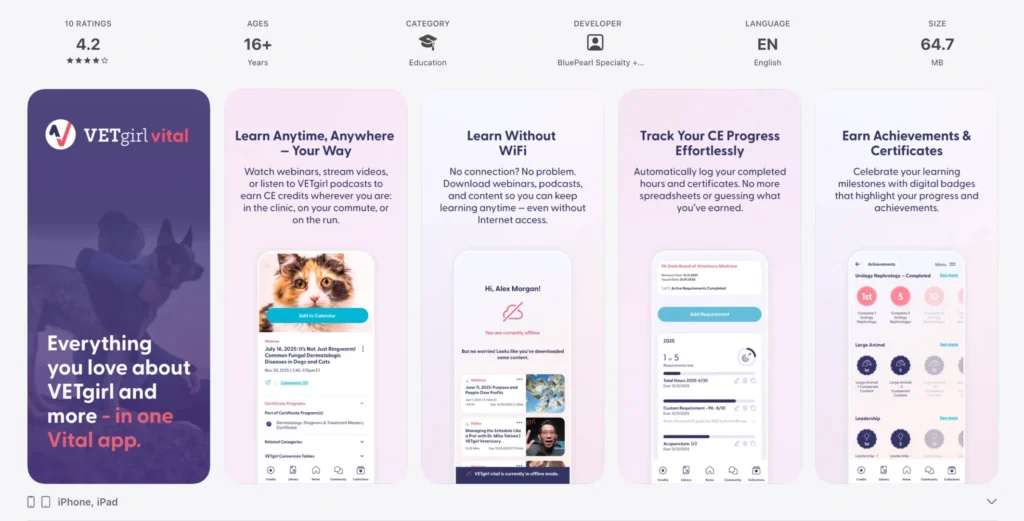
A resource or experience that delivers immediate, practical value, as demonstrated by the work we did with VETgirl, where on-demand education and a free mobile app engage users early and support progression toward deeper subscription offerings.
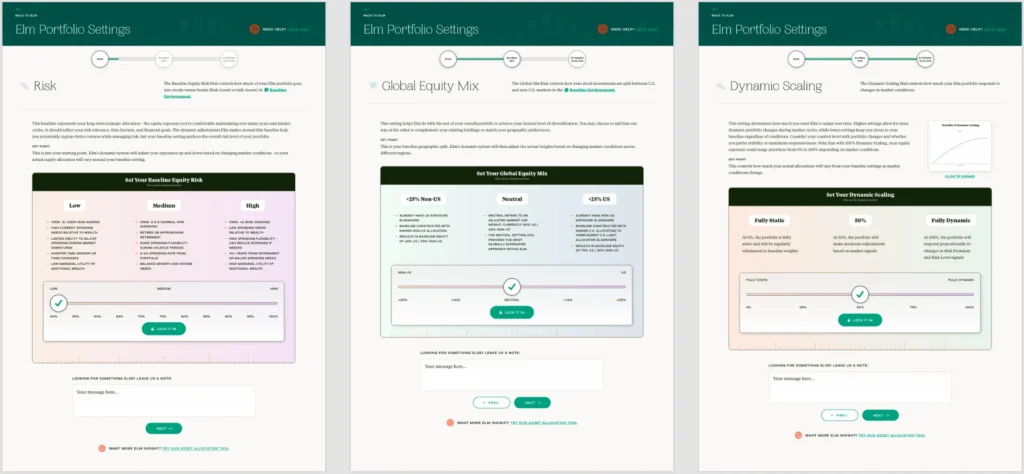
Free educational resources and planning aids that build confidence before engagement, as seen in the work we did with Elm Wealth, where helpful tools and content prepared prospects for more in-depth advisory conversations.
The goal isn’t inbound lead generation for its own sake. It’s to lower the barrier to engagement and identify buyers who are ready for what comes next.
When Freemium Works: Long Sales Cycles and High-Trust Markets
Freemium is not a one-size-fits-all solution. It thrives in B2B industries like manufacturing, technical services, building products, and dealers and distributors, where buying decisions are complex and trust has to be earned over time.
It tends to work best when:
- The investment is significant: For high-priced products or services, buyers want evidence of ROI before committing. A free experience helps them validate value early and equips them with proof they can take into internal decision-making.
- Customers want insights, not more information: For products where a list of features pales in comparison to an interactive lite-version of the tool, a freemium trial gives a real-life test run of the valuable benefits they’ll receive.
- Decisions involve multiple stakeholders: When engineers, operators, finance, and leadership all weigh in, a free shared tool or resource can create alignment and reduce friction early in the decision process.
- Expertise drives differentiation: In information-heavy industries like finance, technology, and healthcare, expertise is the key differentiator. A free tool or resource demonstrates credibility and prepares buyers for more substantive conversations.
- Products are shared through networks: Products with social or group-use aspects among friends, teams, or coworkers often benefit from a freemium model that allows one person to test a product and become a spokesperson to their social group on its behalf.
When Freemium Doesn’t Work
Freemium isn’t always the right strategy. In some cases, it can create confusion or attract the wrong audience. It tends to fall flat when:
- The offering doesn’t scale: Highly custom services, luxury goods, or deeply personalized consulting can’t always be meaningfully sampled through a free experience.
- The value takes too long to show up: If the impact only becomes clear after weeks or months, a free trial may frustrate users rather than move them forward.
- “Free” undermines perceived value: In markets where purchases involve large budgets, formal approvals, or significant risk, free offerings can signal immaturity or a lack of seriousness.
Freemiums should support the sales process, not replace it. When misapplied, it can increase friction by setting the wrong expectations or pulling in buyers who were never a good fit to begin with.
The Hidden ROI of Freemium: Data, Trust, and Conversion Momentum
As part of a broader demand generation strategy, a well-designed freemium model can generate meaningful returns, even when some free users never become customers.
- Actionable insight: Every interaction with a free tool (downloads, clicks, configurations) reveals what buyers care about, where they hesitate, and when they’re ready to engage.
- Credibility at scale: A genuinely useful free experience builds trust faster than most paid campaigns, because it proves value instead of claiming it.
- More efficient acquisition: When free resources are valuable enough to be shared, they reduce reliance on paid channels and reduce customer acquisition costs.
- Faster conversion: When freemium users do enter a sales conversation, they arrive informed and aligned, shortening sales cycles and improving close rates.
How to Design a High-Performing Freemium Experience
The difference between a freemium model that converts and one that doesn’t usually comes down to design. Digital strategy consulting can help connect the free experience deliberately to the paid one.
- Solve a Small but Urgent Problem: Your free tool should solve a real, tangible problem for your ideal customer.
- Create a Clear Upgrade Path: The free version should be valuable enough to build trust, yet leave a clear incentive for users to upgrade to your paid offering.
- Instrument for Data Collection: Track how users are interacting with your free tool. What features are they using most? Where are they getting stuck? This data is invaluable for both product development and sales.
- Nurture Your Free Users: Treat them like clients-in-waiting. Nurture them with targeted email campaigns, helpful content, and personalized conversion triggers.
Think It First’s POV: Freemium Is Strategy, Not Charity
A freemium offer works best when it supports a broader marketing growth strategy rather than operating as a standalone giveaway. At Think It First, our marketing strategy consulting helps clients identify the part of their value that can be provided for free without diluting their premium positioning. Which part of your business could be productized into a small, free experience? What small experience would be genuinely useful, repeatable, and aligned with how your business creates value? What can you offer that solves an immediate “part” of the larger problem?
Schedule a strategy call with our team. We’ll help you identify the right freemium opportunity and map a clear path from free experience to revenue.
You don’t need to give away everything; you just need to give away the right thing.
(Which is why we’re giving away our free website checklist below.)
Build Winning Tools.
Book a Strategy Intro Call.
More Insights
The New SaaS: Why We Stopped Subscribing & Started Building
Every SaaS tool was built for thousands of companies; none were built for yours. That’s changing. The new “SaaS”? Service as a service.
How to Get Leadership to Invest in Digital
Struggling to get leadership to invest in digital improvements? Learn how to reframe the conversation using metrics, proof, and incremental wins.
The Harsh Truth About CRO: More Traffic ≠ More Revenue
B2B leaders: stop chasing clicks. Discover how optimizing website conversion paths, lead nurturing, and the marketing funnel drives real revenue.
Ready to Begin Your AI Journey? Think. It. First.
With so much AI potential out there, it can be challenging to know where or how to begin. Should you start with a massive, customer-facing product? Create your own internal solution to streamline ops? Dabble in an out-of-the-box solution? The answer is a question.
Your Support Tickets: How FAQ Automation Turns Customer Service Into SEO Growth
Discover how FAQ automation turns support tickets into structured content that drives traffic, reduces support volume, and builds search authority.
7 Website Red Flags That Are Killing Your Leads (And What to Do About It)
If your site isn’t converting the way it should, you may already be unfortunately familiar with one —or more— of these critical red flags. Let’s take a look at the 7 biggest website issues identified in Think It First’s free B2B Marketing Website Checklist — and tell you how to fix them.